Simple fire prevention
No matter what kind of home you live in, the following home fire prevention tips will help you form home fire-safe habits and prevent fires
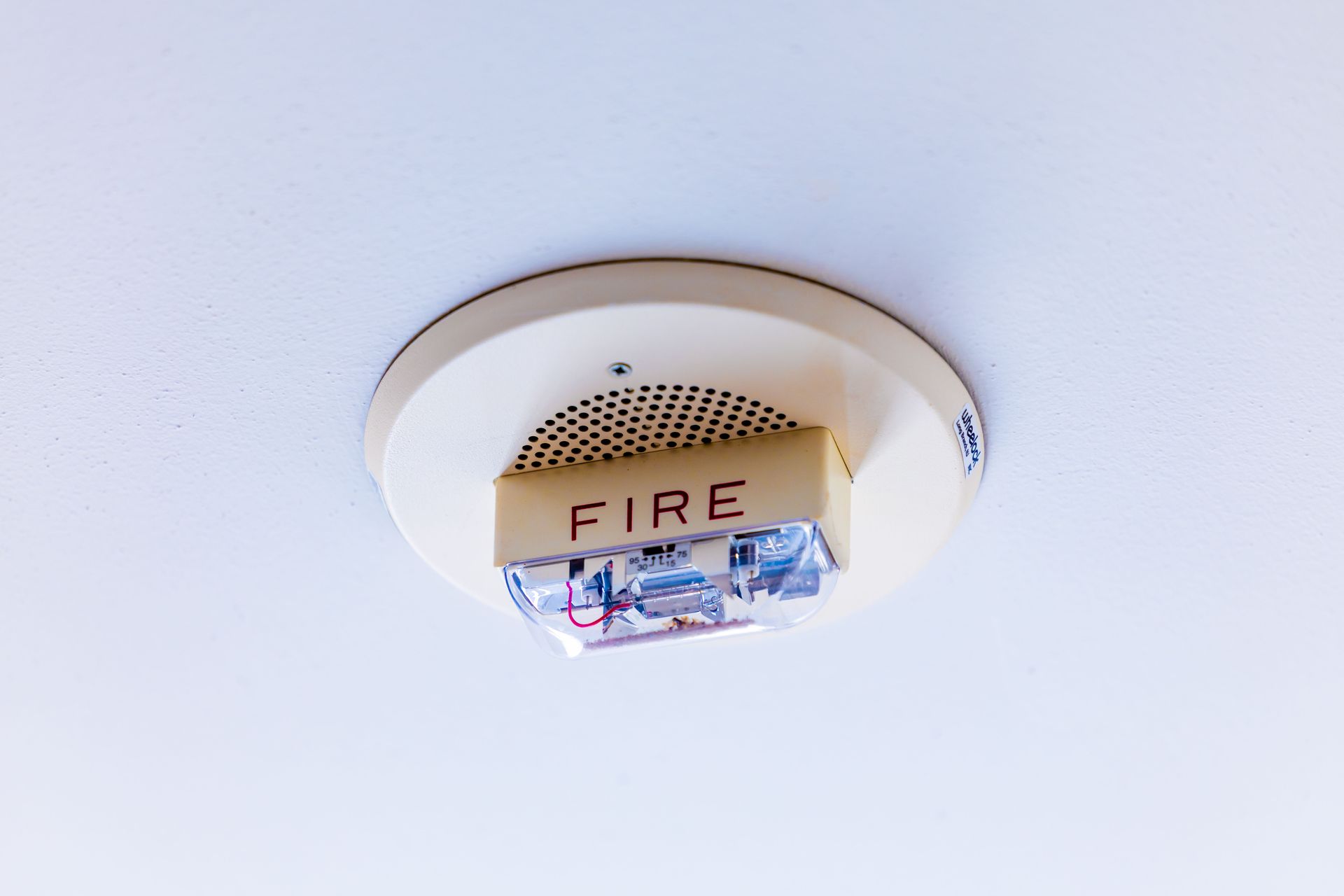
Proper maintenance can prevent fires
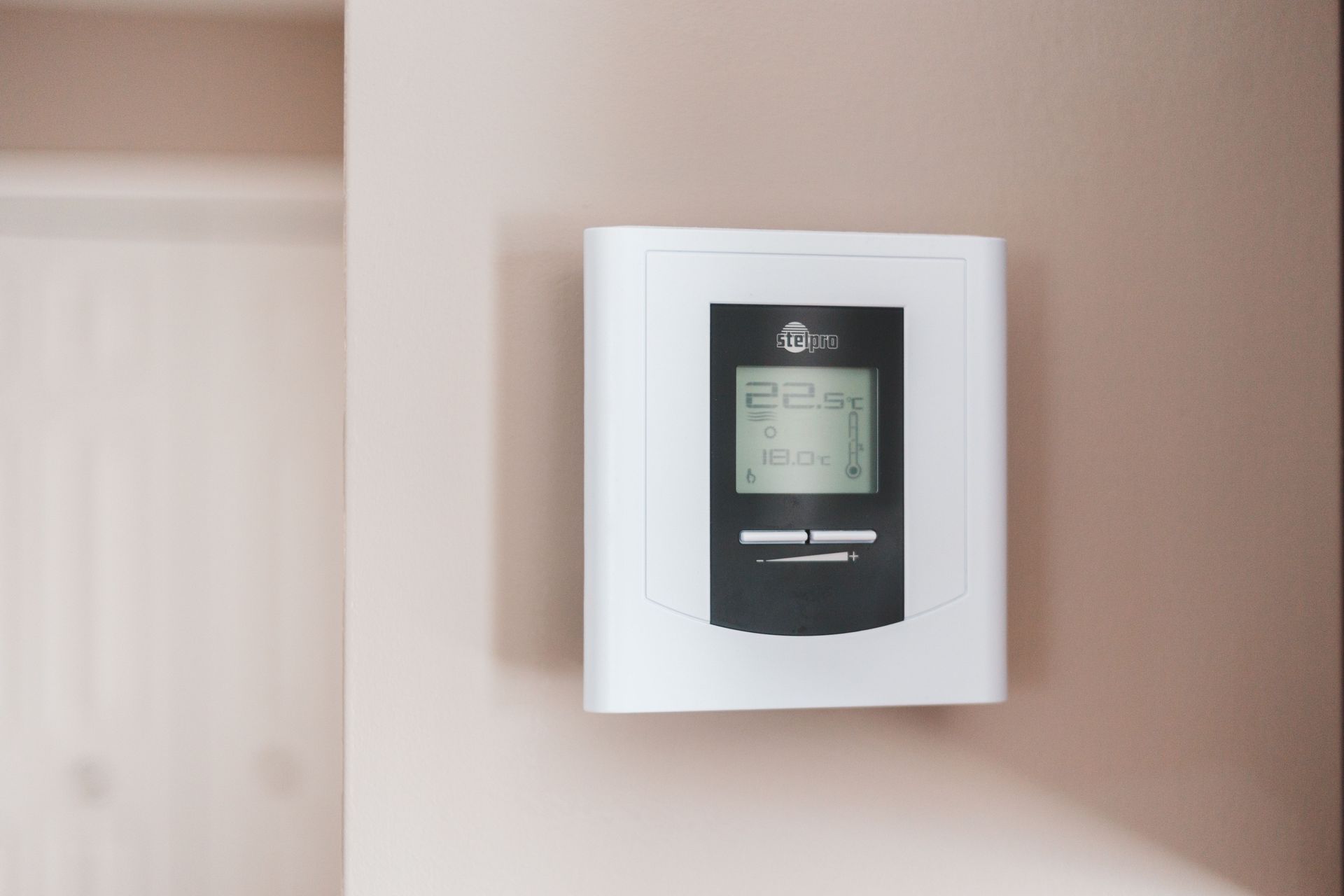
Several mechanical systems in a house require maintenance. These systems include heating equipment such as furnaces, flues, fireplaces, space heaters, wood stoves, water heaters, kitchen stoves, as well as electrical systems and electrical appliances. The bad news: if these systems aren't properly maintained, the potential for fire increases. The good news: fires in all these systems are preventable. The information here will help you decrease the chance of having a fire in your home.
Carelessness
Storing all matches and lighters out of the reach of children can prevent a tragedy. Fires caused by a homeowner's carelessness, such as a grease fire or a fire that started because flammable liquids were stored inside the home, are also preventable.
An ounce of home fire prevention could be worth a life
- Fire drills
- It's important to hold family fire drills at least two times a year. If you have very young or elderly people in your mobile home, assign someone to help them. If there's a fire, get everyone out of the home, then call the fire department.
- Exit windows
- Make sure at least one window in every bedroom can be used for easy and fast escape in case of fire. Don't attempt to reach the front or rear door during a fire — always use a window as your exit.To exit from a window, slide it up or sideways and remove the screen. Kick the screen out if you need to. If your home has crank-out style jalousie or awning quick-exit windows, remove the interior storm sash by turning the pivot clips. Trip the exit latches at the window sill and slide the window open or open it at the hinges and make your exit. If there's no trip latch on the window or no time to open it, break it with a chair, lamp or shoe and get out.
- Fire extinguishers
- Keep one fire extinguisher in the kitchen and another near the furnace. Make sure they're multi-purpose, dry-chemical extinguishers, suitable for class A, B and C fires. Teach all family members how to operate them. Small home fire extinguishers operate for only five to ten seconds, so be sure of your aim.
- Smoke detectors
- Mobile homes built since 1976 come equipped with smoke detectors. If your home doesn't have smoke detectors, you need one high on the wall or ceiling adjacent to bedroom areas. Place another in the kitchen. Check your smoke detectors once a month by pressing the test button. Replace the battery in each smoke detector at least once a year. Never remove the battery except when replacing it. If your smoke detector is a photo unit, replace the bulbs every three years. Keep the grill of the detector free of dirt by dusting and vacuuming it regularly.If your home's smoke detectors are powered by electricity, add at least one detector that's battery powered in case of power outages.
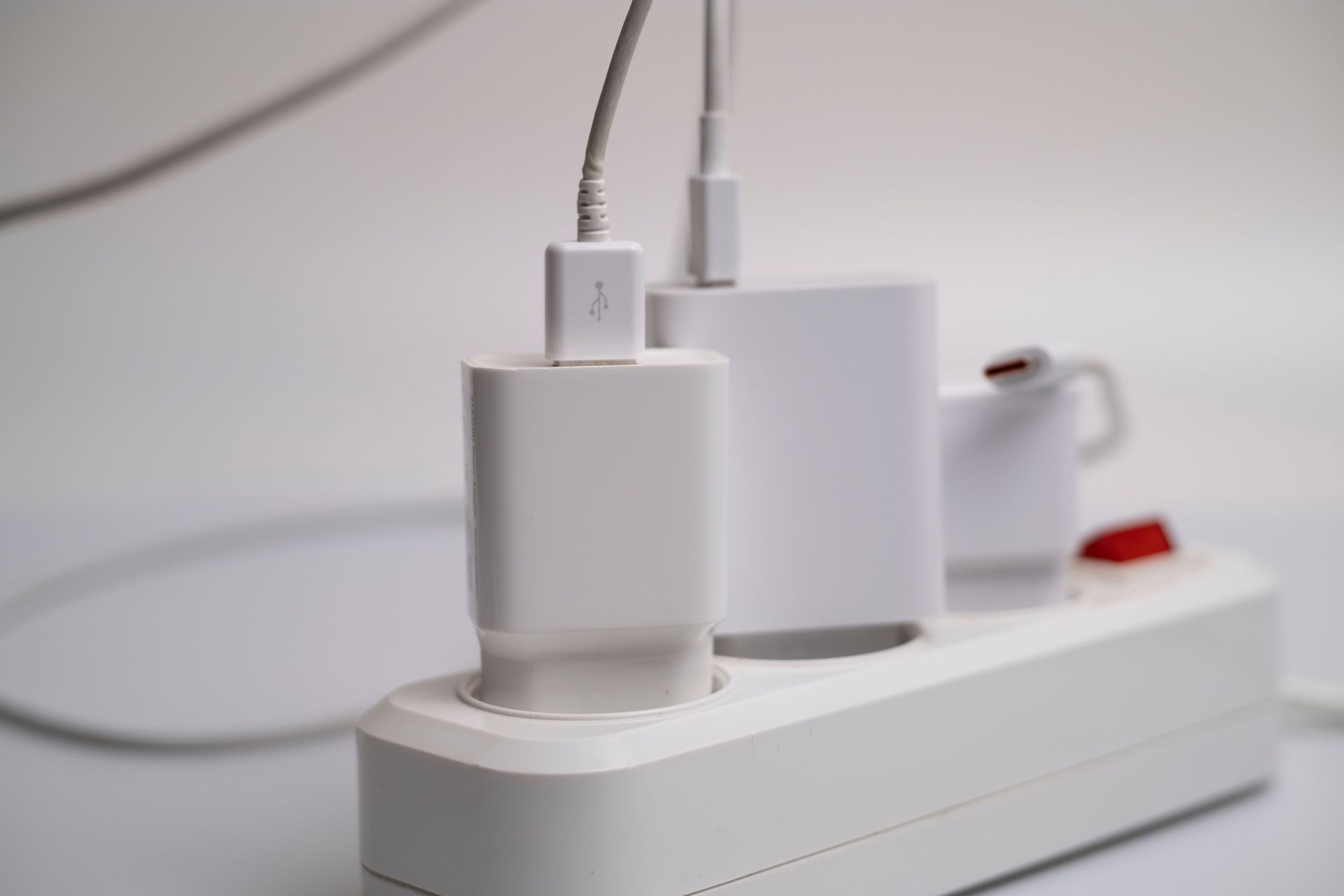
- Be careful not to overload electrical circuits
- Lights that flicker or dim indicate trouble that must be corrected. When replacing fuses, install only recommended fuses. Use fuses and breakers that are the proper size for the wire. A ground monitor is a valuable tool for locating any shorts or other problems in the electrical system. If you are inexperienced in working with electricity, don't try to correct electrical problems yourself. Call a qualified electrician.
- Don't overextend an electrical outlet with extension cords
- Replace frayed or broken electrical cords. Make sure all appliances are properly installed. Buy electrical appliances and equipment approved by a certified testing laboratory. Never run cords under rugs. Keep dust from accumulating on televisions, electrical equipment and appliances.
Some additional home fire prevention tips
- Store flammable liquids in approved containers outside the mobile home.
- Never place combustible material under your home — that includes bales of hay or straw.
- Check for worn spots on any heat tape that covers water pipes.
- Ground your television antenna to prevent damage from a lightning strike.
- Keep your yard tidy and free of debris.
- Don't plug multiple items into the same electrical outlet or circuit.
- Make sure lightbulbs are the recommended wattage for all of your light fixtures.
- Keep baking soda near your stove to extinguish grease fires.
- Keep matches and lighters out of children's reach, preferably in a locked cabinet.
- Don't smoke in bed or when you're drowsy. Run butts and ashes under water before disposing.
- Never install a double cylinder deadbolt lock on your exit doors. They require a key to unlock from the inside.
- Never use an extension cord on a permanent basis and avoid running them under rugs.
- Never leave home with the clothes dryer running. Clean dryer vents frequently and clean lint screens after each load to keep the airway clear.
- Make regular safety checks of your home's major systems. Check for cleanliness, proper functioning and loose connections.
- Never block doors or windows with furniture or other large objects.
- Supplemental heating units like electrical space heaters, fireplaces, kerosene heaters and wood stoves can be dangerous. Be sure each device is approved for use in a home. Turn them off before you leave or go to sleep.
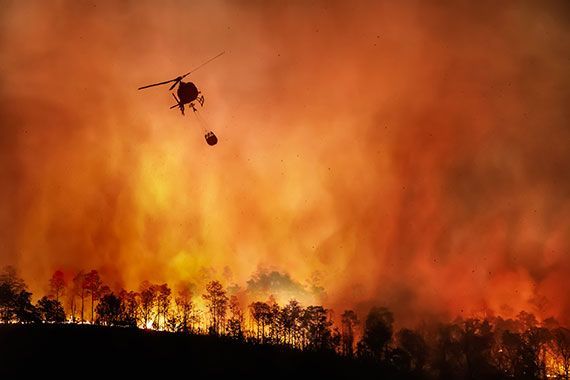
Take action if a fire strikes
Smoke and toxic fumes are the leading cause of death in fires. That's why it's so important to get out immediately and stay out.
- Don't try to fight your own fire. Leave immediately and call for help from a neighbor's home.
- The clearest air is 12 to 24 inches above the floor, so crawl to the nearest safe exit.
- Carefully touch the bottom of all doors before opening them. If they're hot, don't open them. Find another way out.
- If your clothes catch fire, don't run. Stop, drop to the ground, cover your face with your hands to protect your face and lungs, and roll until you smother the flames. Remember: stop-drop-and-roll.
source: https://www.foremost.com/learning-center/fire-prevention.asp