Potholes: The Sneaky Road Hazards That Can Really Leave a Dent in Your Day
If you’ve ever felt the kerthunk of a pothole and immediately wondered what part of your car just surrendered, you’re not alone. These sneaky street craters seem to pop up everywhere. And just when you think you’re cruising smoothly, your morning coffee becomes a casualty.
Car Damage Frequency and Risks Behind the Rattle
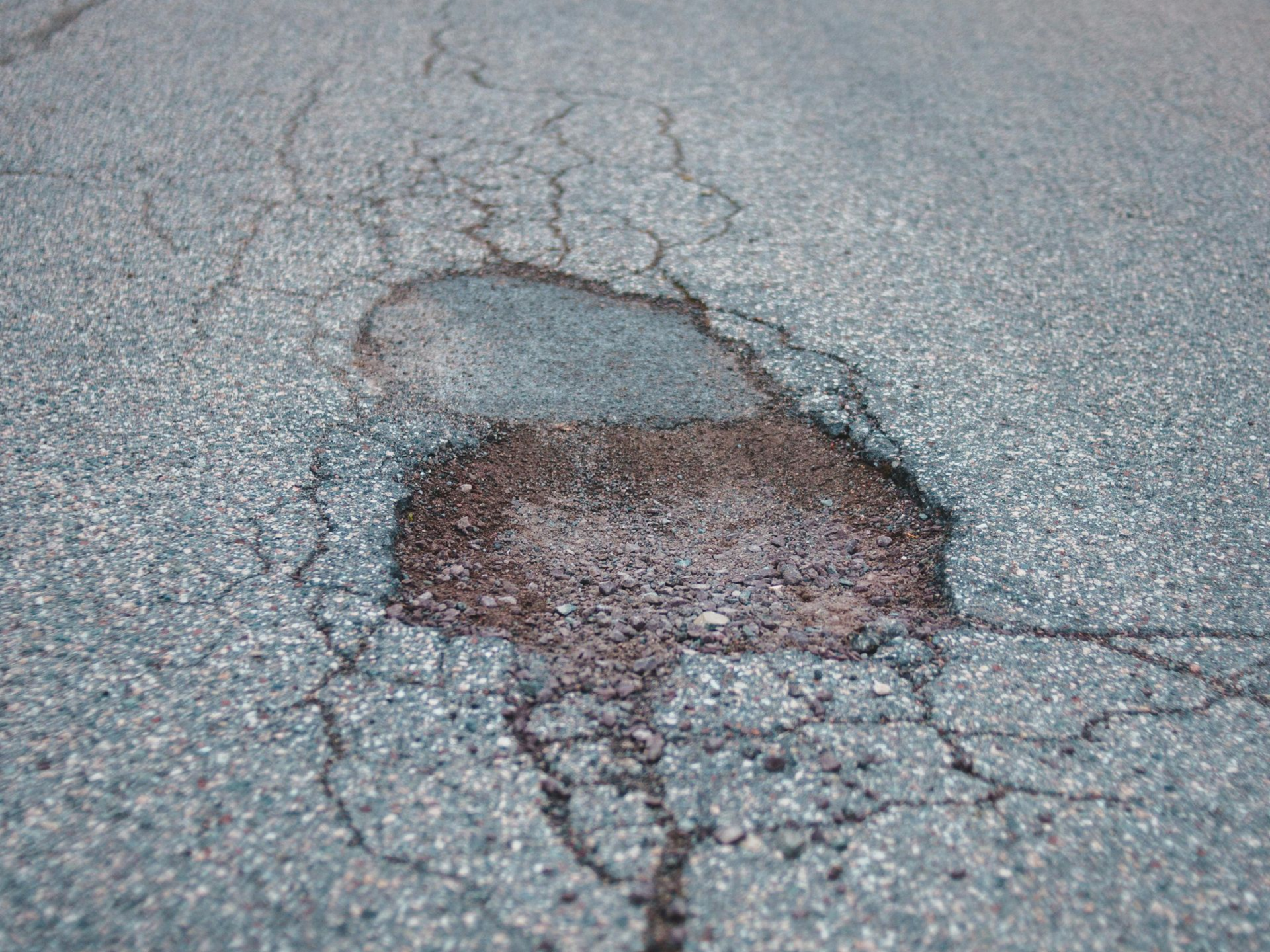
Potholes can have a huge impact on your car. In the U.S., drivers collectively pay billions every year for pothole-related repairs. According to AAA’s research, 1 in 10 drivers suffered vehicle damage severe enough to need repair in a single year, with the average repair costing around $600 – and that’s just from a single pothole hit!
Across the country, potholes can cause tire blowouts (or the pop no one wants to hear), bent wheels, suspension damage and alignment issues. In serious cases, these seemingly minor nuisances can cause a total loss of control.
Are Some Areas More Prone Than Others?
Absolutely. Roads in colder climates experience more freeze-thaw cycles, making them prime pothole real estate. Urban roads also get hit harder due to heavy traffic loads. (Potholes tend to show up when things get too crowded.)
How To Best Avoid Potholes on the Road
Dodging potholes shouldn’t feel like a high stakes video game. With these quick tips, you can steer clear.
- Slow down: Higher Speed = harder impact
- Avoid Puddles: They can hide deep potholes
- Maintain safe following distance: easier to spot hazards early
- Stay centered in your lane: Worn areas tend to be along wheel paths
- Keep your tires property inflated: under-inflation makes pothole damage worse
Sometimes the safest way to avoid a pothole is to simply slow down and stay alert. Your car (and coffee) will thank you.
What To Do If You Can’t Avoid a Pothole
Even with the best intentions, sometimes a pothole jumps out faster than your reflexes. If you hit one:
- Don’t slam the brakes mid-impact: Braking transfers weight to the front wheels, increasing damage risk.
- Check your tires and wheels: Look for bulges, cuts or low pressure.
- Pay attention to vibrations or pulling: You may have knocked your alignment out of whack.
- Document the damage: Some cities accept pothole damage claims (and it doesn’t hurt to try).
- Get repairs promptly: Small issues can grow into bigger ones fast.
If you suspect damage, listen for new noises. Cars are talkative, especially injured ones.
How To Advocate for Road Repairs Where You Live
- Improving your local roads may feel like trying to patch a sinking ship, but many municipalities genuinely want residents to report problems.
- To champion safer and smoother streets, consider reporting potholes via your town or city’s website, 311 system or local DOT app. Be sure to include photos and precise location pins, which is a feature typically included in the site (you won’t need to know the coordinates offhand).
- Harness collective pavement power by encouraging neighbors to report the same pothole or attending local town or transportation meetings where road repairs are discussed. Some towns and cities even have a pothole reimbursement program, which could be worth asking about.
- The more noise and reports a specific pothole gets, the more likely it is to get fixed. Think of it as giving that crater a performance review. (With enough feedback, it won’t pass.)
Stay Protected With the Right Auto Insurance Coverage
While you can swerve, slow and stay alert, potholes still have a way of sneaking up on even the most careful drivers. Having the right car insurance coverage ensures that when life throws road craters your way, you have the peace of mind to keep moving forward. With enough protection, you can focus on safely enjoying the drive instead of worrying about every bump in the road.